


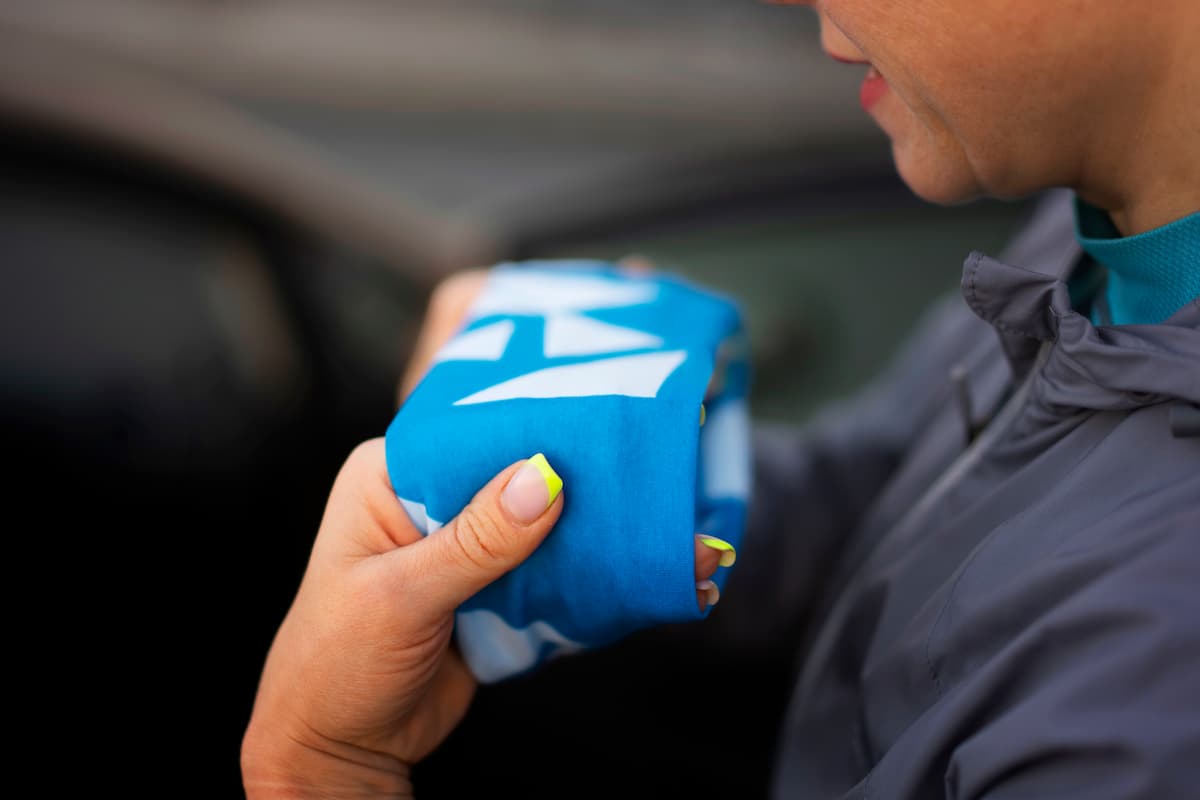
Understanding Ceramic Coating: What It Actually Does
When people hear the phrase ceramic coating, they imagine an invisible layer that makes your car bulletproof.
That is not what ceramic coating is.
Ceramic coating is a liquid nano-ceramic layer applied to your paint. Once cured, it becomes a protective, hydrophobic (water-repelling) shell.
What Ceramic Coating Is Great At
- Gives a deep, glossy, premium shine
- Makes washing the car incredibly easy
- Offers UV protection
- Prevents chemical staining
- Protects against bird droppings and water spots
- Reduces swirl marks (from washing)
- Can last 2–7 years depending on the product
This is why many car owners in London ask:
“Which coating is best for a car?”
A high-quality graphene or ceramic coating applied by a trained installer — cheap coatings won’t last.
At OG Car World, we use coatings tested for London weather conditions, which ensures durability and real-world performance.
But Ceramic Coating Has Limitations (Important Reality Check)
People also ask:
- “What is the downside of ceramic coating?”
- “Is it better to wrap or ceramic coat a car?”
Here are the real limitations:
❌ Ceramic coating does not prevent stone chips
❌ Can’t stop scratches from keys or parking damage
❌ Can’t self-heal
❌ Does not act as a physical barrier
❌ Still requires maintenance
❌ Needs proper prep (paint correction) for best results
Ceramic coating is excellent for gloss, shine, and ease of cleaning —
but it is not designed to protect from physical impact.
This is where PPF comes in.
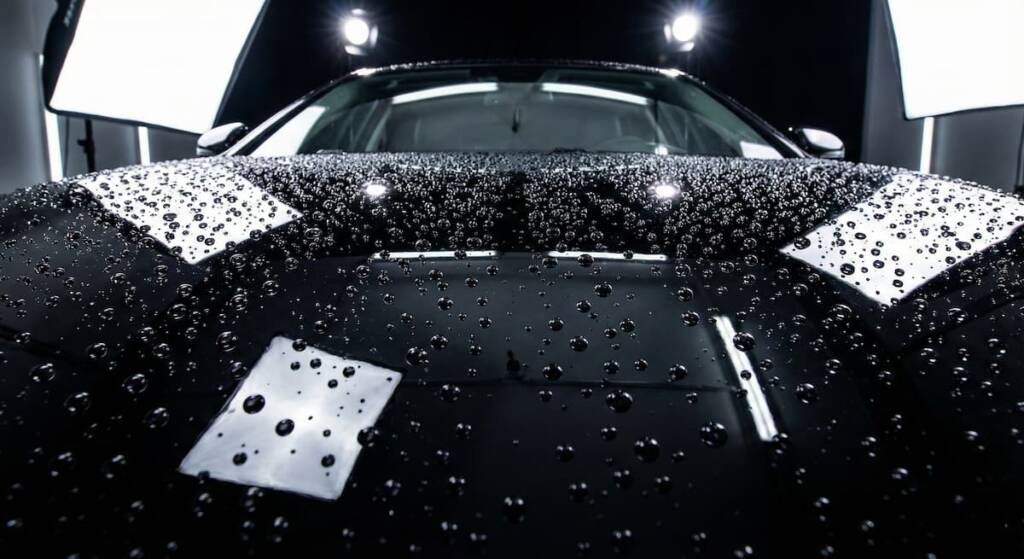
Understanding PPF: Real Physical Protection for Your Paint
PPF, or Paint Protection Film, is a thick, transparent polyurethane film applied to the car’s paint.
Unlike ceramic coating, PPF is a physical barrier.
That means it protects your car from:
✔ Stone chips
✔ Scratches
✔ Minor scuffs
✔ Road debris
✔ Tar
✔ Bug impact
✔ Swirl marks from washing
✔ UV fading
✔ Vandalism attempts (to some extent)
PPF is the strongest type of paint protection available today.
Self-Healing Feature (Huge Advantage)
One question people often ask:
“How does PPF look after 5 years?”
Good quality PPF remains clear and glossy when maintained properly. Most modern films also have self-healing properties, meaning scratches disappear when heated (either by sun or heat gun).
This is why people choose PPF for:
- Bumpers
- Bonnets
- Mirrors
- Full front end
- Or full-body protection
But PPF Also Has Drawbacks
People ask:
- “What are the negatives of PPF?”
- “What are the disadvantages of PPF?”
Here are the honest realities:
❌ More expensive than ceramic coating
❌ Needs expert installation (bad installers leave bubbles or edges)
❌ Cheap PPF brands can yellow
❌ If damaged, the film section must be replaced
❌ Not as glossy as ceramic coating
❌ Requires careful washing
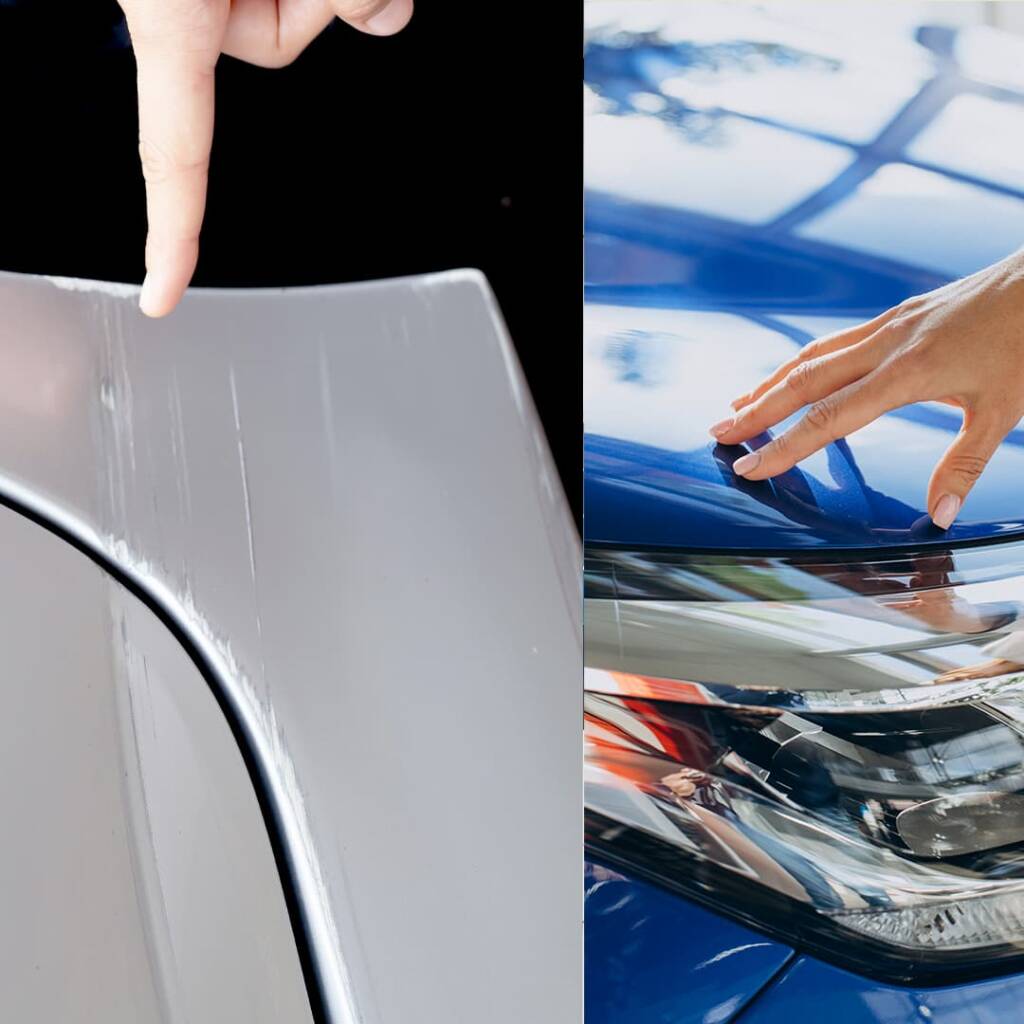
Ceramic Coating vs PPF: The Real Comparison (Not What People Think)
Now we get to the main topic:
Ceramic Coating vs PPF — which is better?
The answer:
Neither is better — they are for completely different purposes.
Here is the expert breakdown:
Ceramic Coating Advantages
- Best gloss
- Best shine
- Best hydrophobic effect
- Best for easy cleaning
- Enhances colour depth
- Looks new for years
PPF Advantages
- Best physical protection
- Best for stone chips
- Best for scratches
- Best for daily drivers in London
- Self-healing
- Lasts longer (5–10 years)
Which One Should You Choose?
Customers ask:
- “Should I go for PPF or ceramic coating?”
- “Which is better for my car?”
- “Is PPF worth it on a daily driver?”
So here is the simple, honest guidance:
Choose Ceramic Coating If:
- You want your car to look shiny 24/7
- You want easier washing
- You drive mostly in the city
- You want budget-friendly long-term protection
- Your car mainly needs gloss + UV protection
Choose PPF If:
- You drive a lot (A12, M25, motorways)
- You are worried about stone chips
- You frequently park in tight or risky areas
- You own a premium car (AMG, M-Sport, RS, Range Rover, Tesla, Porsche)
- You want the strongest physical protection
Combine Ceramic Coating + PPF for the Best Results
Many people ask:
- “Can I do both PPF and ceramic coating?”
- “Do you apply ceramic coating before PPF?”
- “Should I do PPF or ceramic coating first?”
The expert process:
1️⃣ PPF first
2️⃣ Ceramic coating on top
This gives you:
- Physical protection
- Self-healing film
- Hydrophobic coating
- Glossy finish
This is our most popular service at OG Car World.
Real UK Pricing: Ceramic Coating vs PPF in Ilford & London
One of the most common questions customers ask is:
- “What is more expensive, PPF or ceramic coating?”
- “How much does it cost to PPF a car in the UK?”
- “How much does a 7-year ceramic coating cost?”
- “Is PPF worth it in the UK?”
Let’s break it down in a way that’s clear, honest, and relevant for Ilford & East London customers.
How Much Does Ceramic Coating Cost?
Ceramic coating prices depend on:
- Car size
- Paint condition
- Brand of coating
- Number of layers
- Durability (1-year, 3-year, 5-year, 7-year)
Typical UK Pricing:
- Small car: £250–£450
- Hatchback/Saloon: £350–£600
- SUV: £500–£800
- 5–7 year ceramic coating: £700–£1200
A 7-year coating is a premium package — the price comes from:
- Extensive paint correction
- Multi-layer application
- High-end chemical formulas
- Longer durability
At OG Car World in Ilford, we always balance value + quality, so our pricing is competitive while maintaining expert-level standards.
How Much Does PPF Cost in the UK?
PPF pricing varies depending on coverage:
Front-end PPF Packages:
- Partial front end: £500–£800
- Full front end: £900–£1500
- High-end cars (Range Rover, BMW M, Mercedes AMG): £1200–£1700
Full Car PPF:
- Hatchback/Saloon: £2500–£3500
- SUV: £3000–£4500
- Luxury / performance cars: £3500–£5500
The reason PPF is more expensive is simple:
- Film itself is costly
- Skilled installation required
- Vehicle panels must be carefully wrapped
- Any mistake means redoing the section
- Film lasts 5–10 years
This is why customers often ask:
“Is PPF worth it in the UK?”
YES — especially for:
- Motorway drivers
- New car owners
- Owners of expensive cars
- People who want to avoid stone chips from London roads
Why Are Prices Higher in London?
Because:
- Rent is higher
- Professional installers are in demand
- Traffic causes more stone chips and scratches
- Customers expect premium results
But at OG Car World, the goal is balance —
premium work, but pricing that daily drivers can realistically afford.
PPF vs Wrapping vs Ceramic Coating (Very Important Distinction)
Many customers confuse PPF and Wrapping, so the questions naturally appear:
- “Is it better to wrap or ceramic coat a car?”
- “Is it better to wrap or ceramic coating?”
- “What is the downside of wrapping a car?”
- “Can a wrapped car go through a carwash?”
- “Do I have to tell DVLA if I wrap my car?”
Let’s clear up the confusion once and for all.
PPF vs Wrap: They Are Not the Same
PPF (Paint Protection Film):
✔ Transparent
✔ Protects from stone chips
✔ Self-healing
✔ Thick + durable
✔ Lasts 5–10 years
Vinyl Wrap:
✔ Changes the car colour
✔ Can be glossy, matte, satin, or textured
✔ Much thinner
✔ No stone chip protection
✔ Lasts 2–4 years
Downsides of Wrapping a Car
People ask:
“What is the downside of wrapping a car?”
Here are the main issues:
❌ Not very durable
❌ Can peel if washed incorrectly
❌ Does not protect paint like PPF
❌ Can fade if exposed to sun
❌ Cheap wraps look poor within months
DVLA Requirement
Another question:
“Do I have to tell DVLA if I wrap my car?”
Yes — if the wrap changes the colour of the vehicle.
You must update the V5C logbook.
Can Wrapped Cars Go Through a Car Wash?
People ask:
“Can a wrapped car go through a carwash?”
Answer:
Not recommended.
Automatic brushes can cause:
- Peeling
- Scratches
- Edge lifting
- Premature fading
Hand washing is always safer.
So Which Is Better: Wrap or Ceramic Coating?
It depends on your goal:
- If you want colour change → choose wrap
- If you want gloss, shine, and easy maintenance → choose ceramic coating
- If you want strong protection → choose PPF
Ceramic and PPF enhance your original paint.
Wrap changes it but protects less.
Longevity & Maintenance in the UK Climate
The weather in the UK — especially London — is not friendly to car paint:
- Rain + pollution
- Bird droppings
- Tree sap
- UV exposure during summer
- Road salt in winter
So customers often ask:
- “How does PPF look after 5 years?”
- “Is PPF worth it on a daily driver?”
- “Can you wax a PPF wrap?”
Let’s answer them clearly.
How PPF Looks After 5 Years
Good quality PPF:
✔ Remains clear
✔ Stays glossy
✔ Keeps preventing stone chips
✔ Self-heals minor scratches
Cheap PPF can:
❌ Yellow
❌ Crack
❌ Peel
❌ Lose clarity
This is why installer quality matters as much as film quality.
Is PPF Worth It for a Daily Driver?
Absolutely.
Daily drivers face:
- Stone chips
- Tight parking
- Kids, shopping trolleys
- London road grit
- Automatic car wash scratches
PPF saves the paint —
and keeps your vehicle looking newer for longer.
Can You Wax PPF?
Yes —
but it is better to apply ceramic coating on top of PPF, not wax.
Wax wears off quickly.
Ceramic coating gives better durability and water beading.
At OG Car World, our recommended method is:
PPF + Ceramic Coating Combo
for the best overall result.
