A new colour does not have to mean a respray. A full body wrap is a layer of printed or coloured vinyl, cut to the shape of each panel and fitted over your existing paint. The car looks different, the original paint stays underneath, and the wrap can be removed later if you want the factory finish back. For many drivers in London, it is the more practical route to a bold change.
What car body wrapping actually is
A wrap is a vinyl film applied across the bodywork. The installer designs the look first, then cuts the film to each panel. Edges are tucked and finished by hand so the vinyl sits flat around bumpers, door shuts and curves. Most full wraps cover the bonnet, roof, doors, wings, bumpers and mirrors, though some owners choose to leave a few parts in their original colour.
Wrapping or repainting: which makes sense?
A respray changes the paint permanently, so the decision is hard to reverse. A wrap keeps the factory paint protected under the film. That matters if you lease the car, plan to sell it later, or simply want the option to go back. Timing is another difference. A wrap is measured in days rather than the weeks a full respray can take, because the process does not need the paint to be stripped and cured in the same way.
Cost depends on the size of the car, the finish you choose and how much of the body you cover. There are no fixed prices on our service page because each job is quoted after a consultation. Ask for a written quote that lists the film, the coverage and the aftercare, so you can compare it fairly with a respray quote.
Finishes you can choose from
The finish changes the look more than the colour does, so it is worth thinking about before you pick a shade.
Gloss
Gloss gives the closest match to a freshly painted car. It reflects light the way factory paint does, and it is the most common choice for a bold colour.
Matte
Matte looks flat and modern. It shows fingerprints and dust differently from gloss, so it needs a little more care when washing. Matte finishes generally have a shorter life than gloss.
Satin
Satin sits between gloss and matte. It has a soft sheen that suits darker colours and luxury cars well.
Metallic and specialty
Metallic films have flecks that catch the light as you move. Specialty films can give a textured or colour-shift look. These are usually more expensive, and they suit owners who want the car to stand out in traffic.
Chrome
Chrome wraps create a mirror-like surface. They make a strong statement, but they show every mark, so they are best for owners who will keep the car clean.
How long a car wrap lasts
The life of a wrap depends on the film, the climate, how the car is parked and how it is washed. Our studio quotes roughly five to seven years for premium gloss, three to five years for matte and satin, and five to seven years for metallic and specialty films. Commercial-grade films can last longer. Parking in shade, avoiding automatic car washes with rotating brushes, and keeping the edges clean all help a wrap last its full life.
The installation process, step by step
A good wrap is mostly preparation. Our process runs in four stages:
- Design consultation. We talk through your goals, match the colour and finish, and produce digital mockups so you can approve the look before any vinyl is cut.
- Preparation. The car is decontaminated and the paint is inspected. Any paint defects are corrected where needed, and parts such as door handles and badges are removed so the film can wrap around them.
- Installation. Panels are cut from computer-generated patterns, and the film is applied in layers with edges hand-finished.
- Quality checks and handover. The wrap is inspected after a 72-hour cure period, then detailed and protected. You receive aftercare guidance and warranty registration.
Ask the installer to explain each stage. A shop that skips the paint inspection or the cure period is cutting corners that show up later as lifting edges or bubbles.
Full wrap or partial wrap?
A full wrap changes the whole car. A partial wrap covers the roof, mirrors, bonnet, or accent panels, and leaves the main colour alone. Partial wraps cost less, carry less insurance and paperwork impact, and suit owners who want a contrasting roof or a gloss black look without changing the main colour. The right choice depends on how much change you want and how you plan to use the car.
Does a wrap protect your paint?
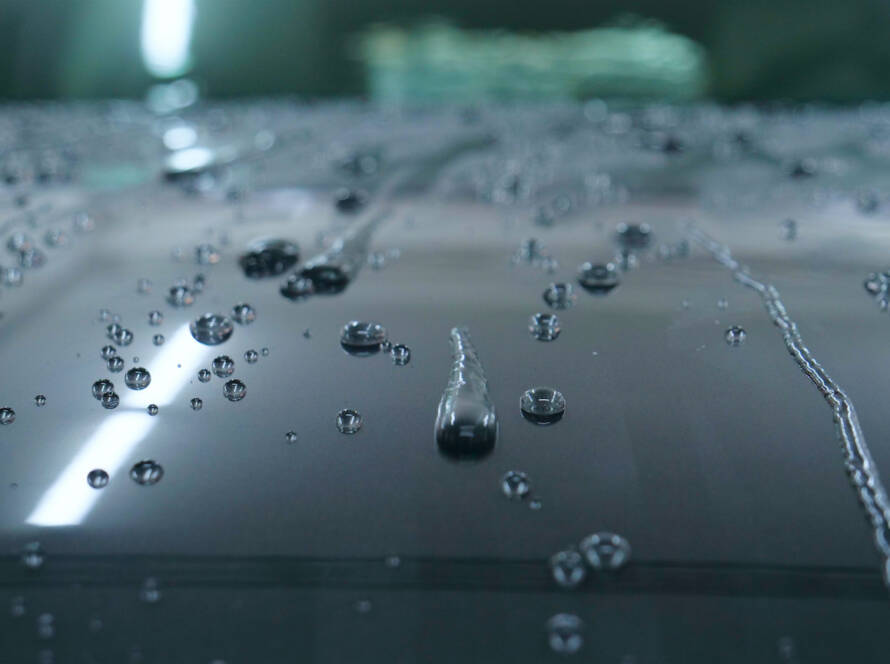
Yes, that is one of the main reasons owners choose a wrap. The film sits over the paint and takes the day-to-day wear from road grit, light scratches and sun. It does not make the paint invulnerable, and a wrap can be damaged by sharp objects or by a poor-quality removal. But a wrapped car keeps its factory paint in good condition, which helps resale value when the wrap comes off. If you want paint protection that stays on the surface, the paint protection film service and the ceramic coating service are the usual options.
What UK owners must tell the DVLA and their insurer
This is the part most people miss. The DVLA requires you to update your V5C when your vehicle’s colour changes. The GOV.UK guidance on changing vehicle details lists colour among the changes you must put on the certificate. Secondary sources report that the DVLA treats a full colour-change wrap as a colour change, so it should be recorded. A partial wrap that leaves the main colour unchanged generally does not need notifying. If you are unsure, check with the DVLA before you make the change.
Tell your insurer as well. A wrap is a modification, and a full colour change can affect your premium. Keep the receipt and the wrap specification, because insurers may ask for them. If you later remove the wrap and return to the original colour, notify the DVLA again.
Caring for a wrapped car
Hand washing with a soft mitt and a pH-neutral shampoo is the safest method. Rinse thoroughly, dry with a microfibre towel, and avoid scrubbing over the edges. Park in shade where you can, because UV exposure fades colours over time. Matte and satin finishes need a gentler approach than gloss, and you should avoid polishes or waxes that are not made for vinyl. If a panel lifts or a bubble forms, bring the car back early, because a small repair is much easier than a large one.
Which vehicles we wrap
We wrap luxury saloons, SUVs, commercial vehicles and electric cars, including Tesla and Porsche Taycan models. Each vehicle has its own panel shapes and sensors, so the design and fitting are planned around the specific car rather than a standard template.
Getting a quote from OG Car World
OG Car World is based in Ilford, East London. Our studio is at Unit 7, Ilford IG6 3XH, and we also offer collection and drop-off across London. You can request a quote through our car body wrapping page, call us on 07300 891109, email customercare@ogcarworld.co.uk, or message us on WhatsApp. If you are not sure which finish suits your car, ask for a design consultation first. For more examples of recent work and advice, read our blog, and see the other services we offer at the OG Car World homepage, including wrapping in Ilford and car valeting and detailing.
Frequently asked questions
Can a car wrap be removed?
Yes. A professional removal lifts the film and reveals the original paint. The condition of the paint underneath depends on its condition before the wrap went on and on the quality of the film and the removal, so ask the installer about this before you start.
Is car body wrapping cheaper than a respray?
It depends on the car, the finish and how much of the body you cover. Wraps are often quicker, and they keep the original paint, but a premium finish or a full wrap on a large vehicle can cost as much as a respray. Compare written quotes that list the same scope.
How soon can I wash my car after a wrap?
Ask your installer before you wash the car. Our process includes a 72-hour cure period, and we will tell you how to wash the car safely for the first few weeks.